选择语言

What is a High Current Slip Ring?
A high current slip ring is specifically designed to transmit very large electrical currents in rotating systems. Because the current passing through the slip ring is extremely high, strict requirements are placed on contact resistance and the stability of its variation.
This is mainly due to the principle that Power = I² × R (current squared multiplied by resistance). Even a slight increase in contact resistance can lead to significant heat generation when large currents are involved. Therefore, during the design and manufacturing of high current slip rings, special attention must be given to minimizing contact resistance and maintaining stable electrical performance.
In addition, high current slip rings also require strict control of voltage fluctuations. When the current is extremely large, a phenomenon known as electrical arcing may occur. Electrical arcing can significantly affect the service life of the slip ring, accelerate material oxidation, and negatively impact the reliability of the system.
For these reasons, the materials, structural design, and contact technology used in high current slip rings must be carefully optimized to ensure efficient heat dissipation, stable current transmission, and long-term operational reliability.
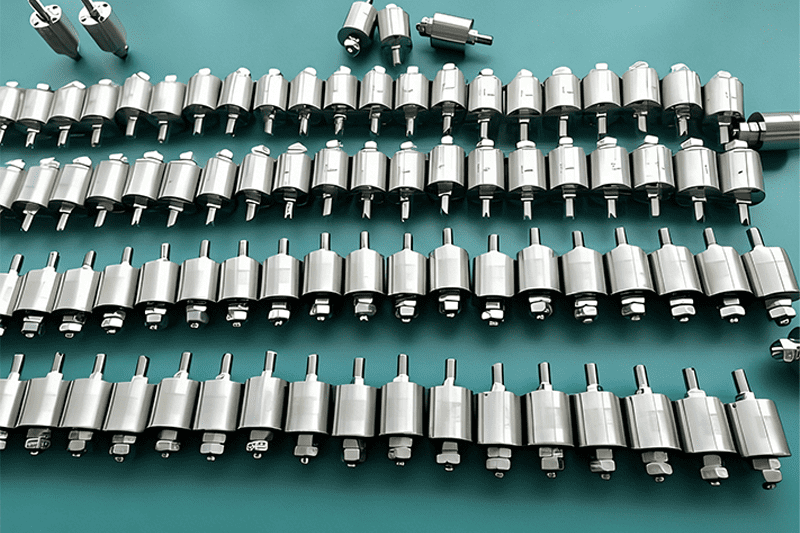
Hiscience High Current Slip Ring Product Image
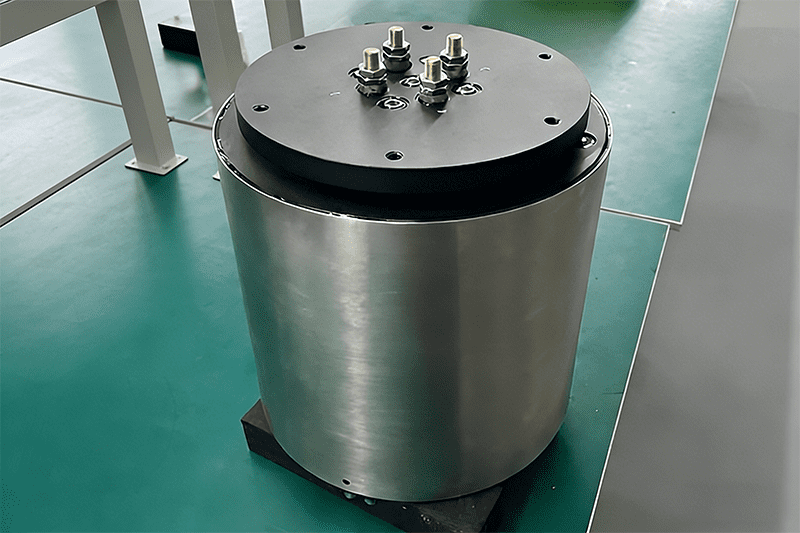
In traditional manufacturing processes, high current slip rings are mainly designed using two types of contact methods: surface contact and point contact.
Surface contact typically refers to the large-area contact between carbon brushes and the conductive rings (or brush plates). This method allows current to be distributed over a wider contact surface, which helps carry higher currents.
Point contact, on the other hand, is usually achieved through precious metal contacts or fiber brushes that interact with the conductive ring. Each of these two technologies has its own advantages and disadvantages.
In fiber brush slip rings, electrical transmission relies on multiple point contacts. The total effective contact area is ensured by increasing the number of fiber brushes, allowing the overall contact resistance to remain low while maintaining stable electrical transmission. Point-contact technology generally has a positive effect on extending the service life of slip rings due to reduced friction and wear.
However, point-contact designs also have certain limitations. Under very high current conditions, they may be more susceptible to issues such as open circuits or burnout. Therefore, when designing high current conductive slip rings using fiber brush point-contact technology, it is essential to use high-conductivity silver-copper wires, along with highly conductive surface coatings such as silver or silver-copper plating, to ensure excellent electrical performance and reliability.
In comparison, surface-contact high current slip rings currently account for over 70% of the market share. This approach is considered a mature and cost-effective technology. However, because of the larger contact area, the wear rate can be higher, which may result in a shorter service life compared to point-contact designs.
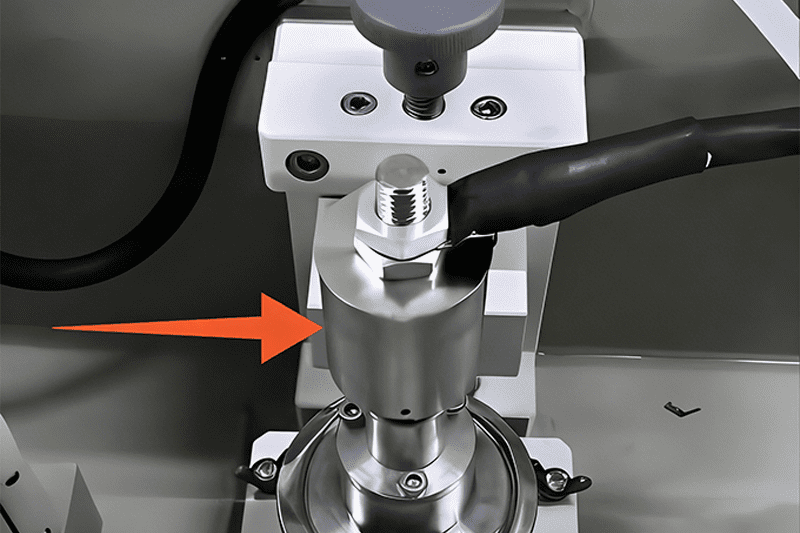
High Current Capacity: The maximum current of a single circuit can reach up to 3000A.
Long Service Life: Designed for a lifespan of over 100 million revolutions.
High Rotational Speed: Under normal operating conditions, speeds can reach 500–1000 RPM.
Simple Structure: Integrated structural design for easy installation and maintenance.
Environmentally Friendly: Non-toxic, pollution-free, and compliant with environmental standards.
Compact Size and High Precision: Small form factor with high manufacturing accuracy.
High Reliability and Stability: Offers stable performance and excellent cost-effectiveness.
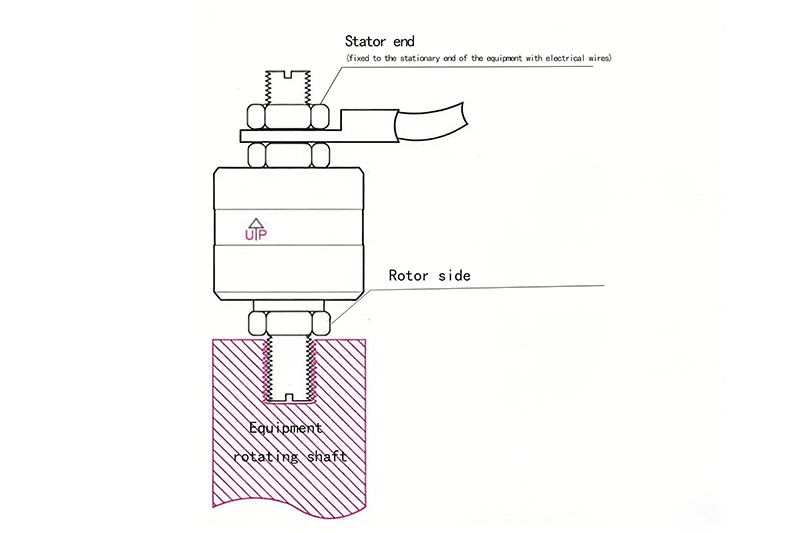
Vertical Installation
Insert the rotor end of the slip ring into the internal threaded hole of the rotating equipment and tighten it clockwise. Secure the rotor end with the fixing screws so that it is firmly locked to the rotating shaft of the equipment.
Use the screws on the stator end of the slip ring to connect the stator side with the wiring of the stationary part of the equipment, ensuring a stable electrical connection.
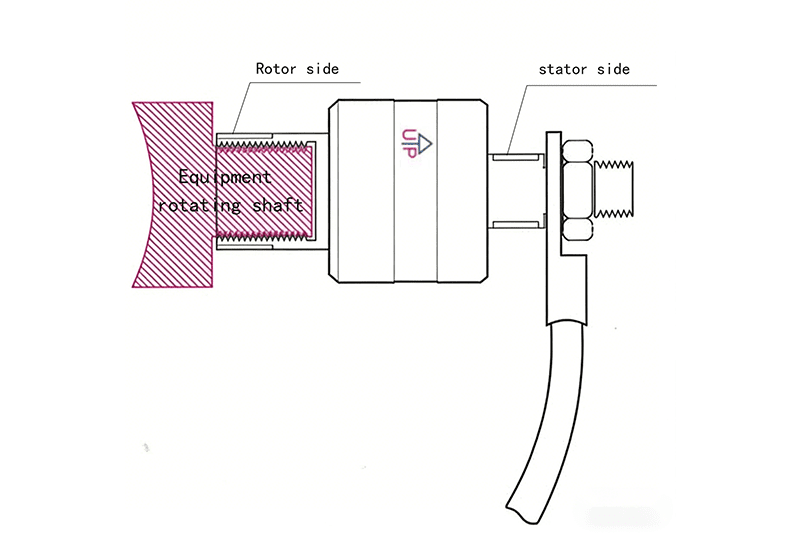
Installation Method When Both Rotor and Stator Ends Have External Threads
Screw the rotor end onto the externally threaded shaft of the rotating equipment and tighten it securely.
Use the screws on the stator end of the slip ring to connect the stator side to the wiring of the stationary part of the equipment, ensuring a stable electrical connection.
High current slip rings are widely used in various rotating equipment and industrial systems, including:
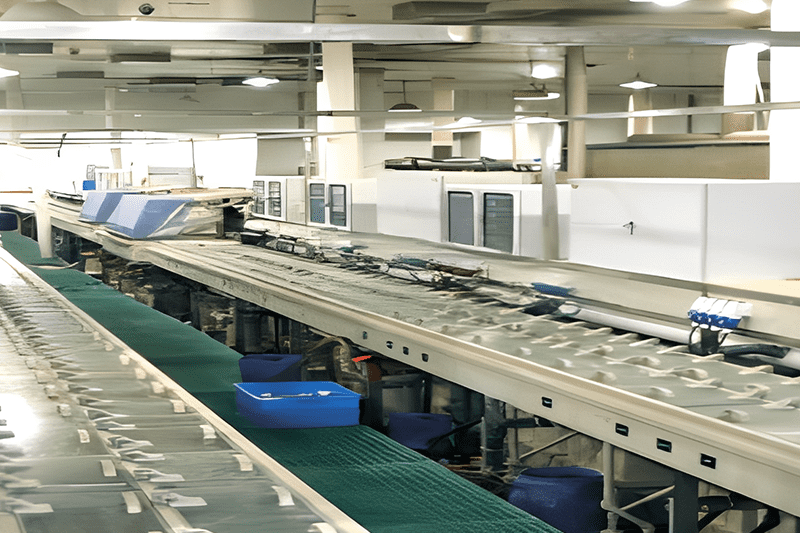
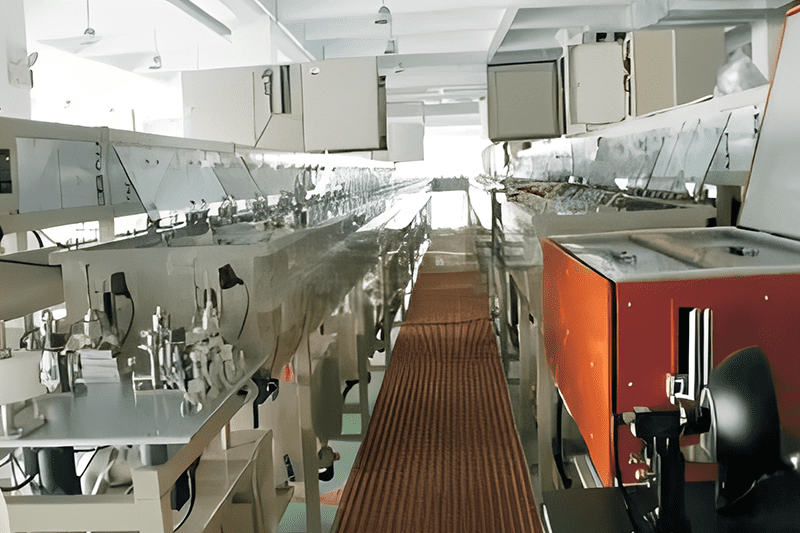
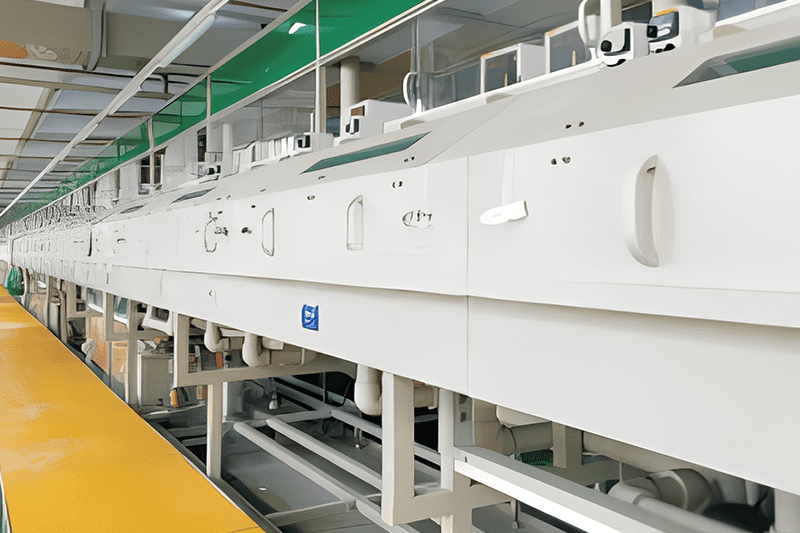
Horizontal copper plating lines and rotating silver plating lines
Rotating stage lighting and moving head lights
Rotating cameras and rotating light boxes
Circular screen tube cameras
Cable reels
Rotating antennas
Semiconductor equipment
Robotic arms
Heating rollers
Rotary joints and similar rotating transmission systems
Application of High Current Slip Rings in the Electroplating Industry
|
|
|