选择语言

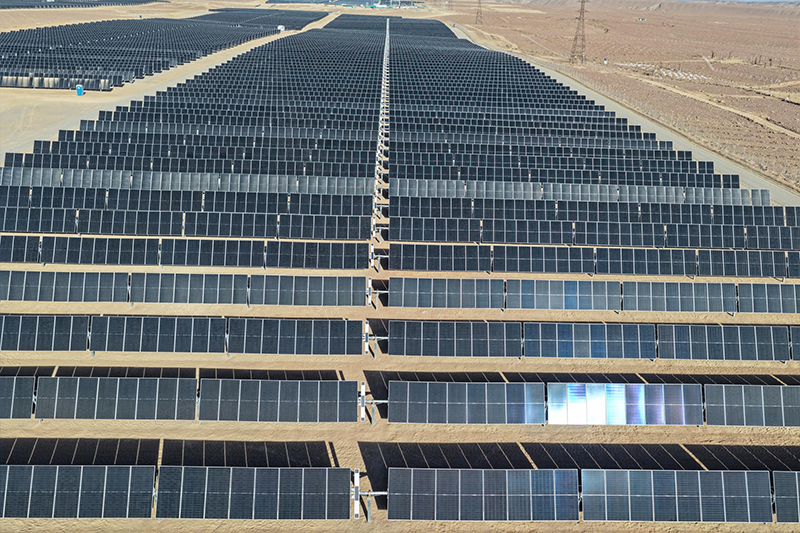
Solar energy is one of the fastest-growing renewable energy sources worldwide. Large solar farms are increasingly adopting solar tracking systems that allow photovoltaic panels to follow the movement of the sun throughout the day. By continuously adjusting the orientation of solar panels, these systems can significantly increase power generation efficiency compared to fixed installations.
Solar tracking systems rely on rotating mechanical structures that move solar panels along one or two axes. These rotating platforms must transmit electrical power, control signals, and monitoring data between stationary support structures and rotating panel assemblies. Without a proper transmission mechanism, cables would twist and degrade over time.
Hiscience slip rings enable continuous electrical transmission within these rotating solar systems. By allowing electricity and signals to pass smoothly between rotating and stationary parts, slip rings eliminate the risk of cable damage and help ensure reliable system operation. This allows solar panels to rotate freely while maintaining stable communication with control systems.
Solar farms are typically installed in outdoor environments where equipment must operate for many years with minimal maintenance. Hiscience slip rings are designed to support stable performance under conditions such as temperature variations, dust exposure, and continuous movement.
As renewable energy technologies continue to evolve, solar tracking systems are becoming more advanced and more widely deployed. Reliable rotary transmission solutions like Hiscience slip rings play a key role in enabling efficient and dependable solar power generation.