选择语言

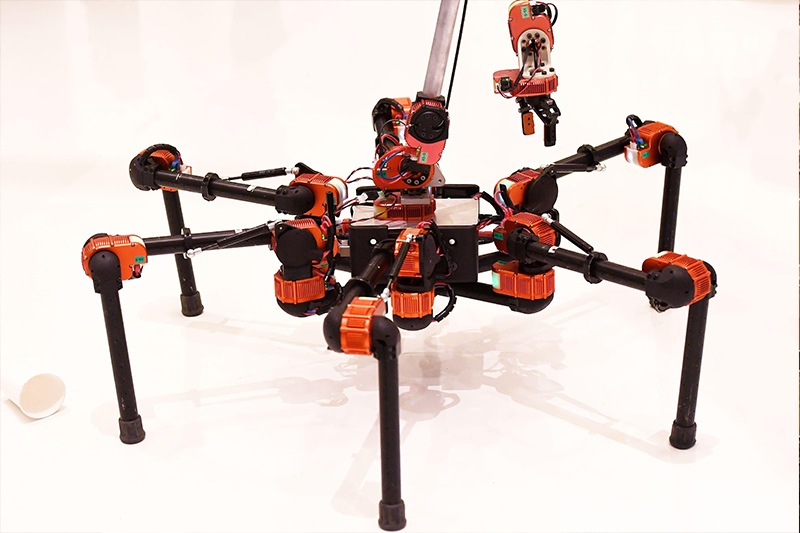
Rescue robots are becoming increasingly important in emergency response operations such as natural disasters, building collapses, fires, and hazardous environments. These robots are designed to enter areas that may be too dangerous for human rescuers, helping search for survivors, assess structural damage, and deliver critical information to emergency teams. By operating in challenging and unpredictable conditions, rescue robots significantly improve the efficiency and safety of disaster response efforts.
Modern rescue robots are equipped with advanced technologies including high-resolution cameras, thermal imaging systems, environmental sensors, communication modules, and robotic manipulators. Many of these devices are mounted on rotating platforms so the robot can scan its surroundings, inspect debris, and locate survivors from different angles. Continuous rotation of these sensing systems requires reliable transmission of electrical power and data signals.
Hiscience slip rings provide a reliable solution for these rotating systems. A slip ring allows electrical power and signals to pass between stationary and rotating structures without cable twisting. In rescue robots, this technology enables cameras, radar units, and sensor platforms to rotate freely while maintaining stable signal transmission. This ensures that the robot can continuously collect and transmit important data during rescue operations.
Rescue environments are often extremely demanding. Robots may need to operate in areas with dust, debris, unstable structures, moisture, or high temperatures. In such conditions, the internal components of the robot must be durable and reliable. Hiscience slip rings are engineered to support stable electrical transmission even during continuous movement and challenging operating conditions, helping rescue robots maintain reliable performance during critical missions.
In addition to sensing systems, rescue robots may also use robotic arms or rotating mechanisms to move obstacles or deliver emergency supplies. These components also benefit from slip ring technology, which allows them to rotate without damaging internal cables. By ensuring smooth electrical transmission in these moving structures, Hiscience slip rings help improve the overall functionality and reliability of rescue robotic systems.
As robotics technology continues to advance, rescue robots are becoming more intelligent and capable. They are now able to navigate complex environments, provide real-time video and sensor feedback, and support search-and-rescue teams with valuable information. Reliable rotary transmission components are essential to support these capabilities. By enabling stable power and signal transfer in rotating modules, Hiscience slip rings contribute to more effective, safer, and more dependable rescue robot operations